
Across Europe’s vast and diverse seas—from Arctic waters to the subtropical Atlantic—an ambitious scientific effort is underway to answer a deceptively simple question: what are our oceans truly worth?
Not only in environmental terms, but in measurable ecological, economic and societal value.
The EU-funded MARBEFES project is addressing this challenge by redefining how marine ecosystems are understood, protected and managed.
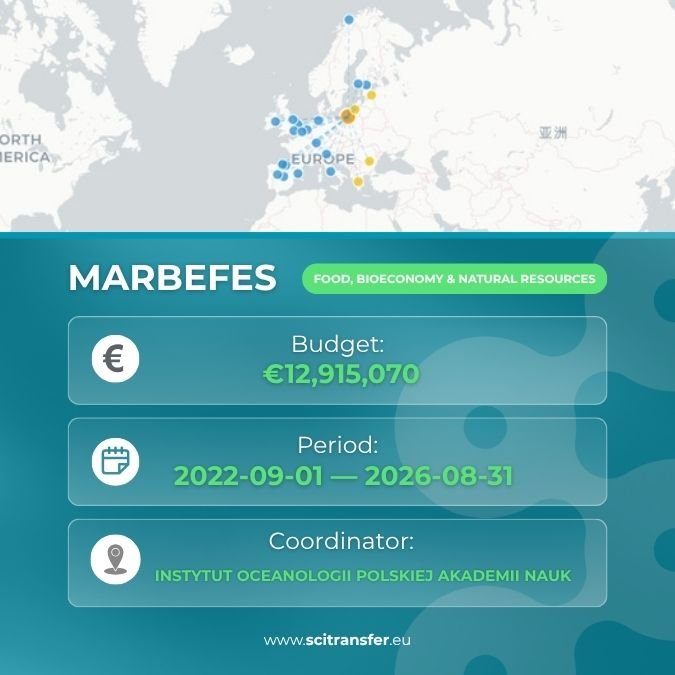
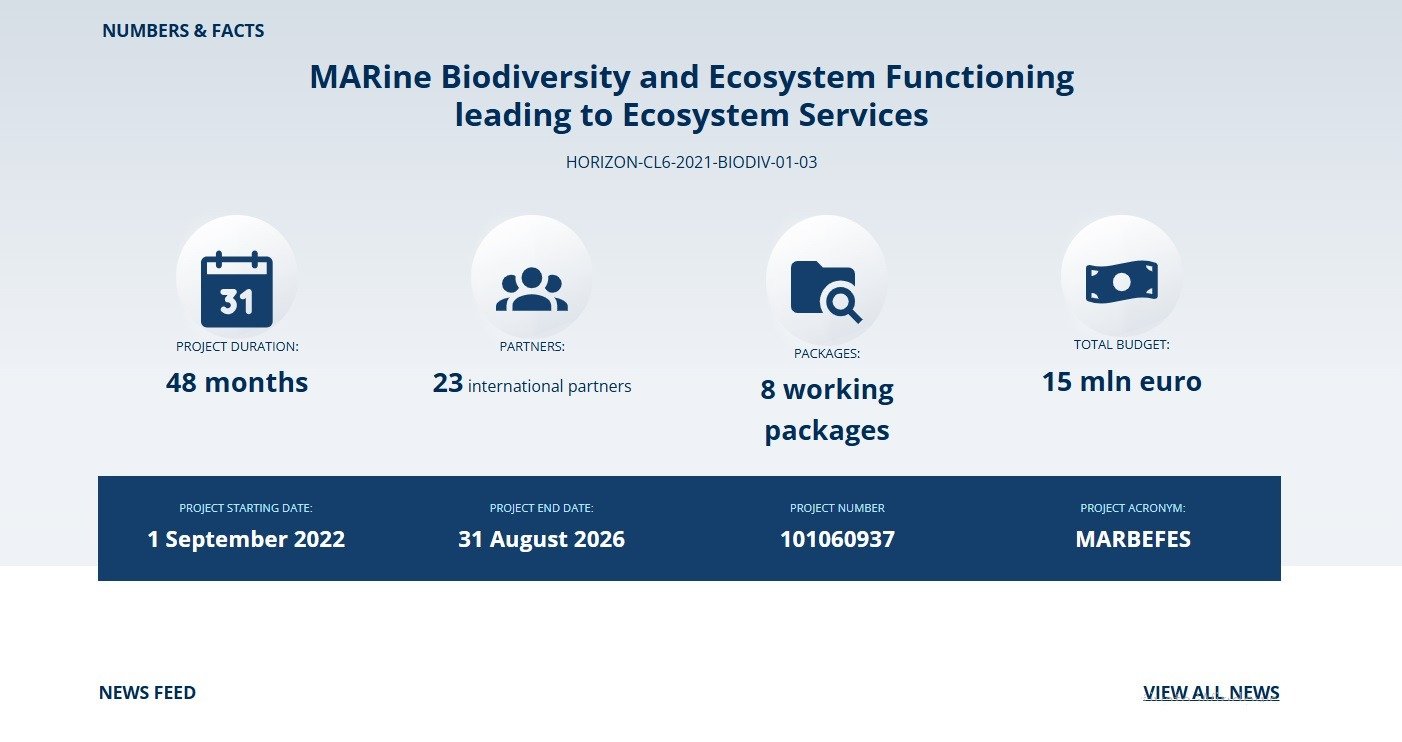
Funded under Horizon Europe with approximately €12.9 million, MARBEFES (MARine Biodiversity and Ecosystem Functioning leading to Ecosystem Services) brings together 23 leading research organisations. Running from September 2022 to August 2026, the project represents a major European investment in advancing marine biodiversity research and its application to policy.
From Biodiversity to Societal Benefits
At the core of MARBEFES lies a key insight: healthy marine ecosystems are not only environmental assets—they underpin human well-being and economic stability.
Marine ecosystem services range from fisheries that support food systems and livelihoods, to coastal protection against extreme weather events, carbon sequestration contributing to climate regulation, and opportunities for tourism, recreation and cultural engagement. Despite their importance, these services are often undervalued or insufficiently integrated into decision-making processes.
MARBEFES addresses this gap by analysing the direct links between biodiversity, ecosystem functioning and the benefits delivered to society. Crucially, the project goes beyond conceptual understanding by quantifying these relationships in ways that are usable for policymakers and stakeholders.
Marine ecosystems are inherently complex and interconnected. Changes in biodiversity—whether through species loss or shifts in ecological balance—can trigger cascading effects on ecosystem functioning and, ultimately, on the services people depend on. MARBEFES advances current knowledge by examining both the drivers and consequences of these changes and translating them into ecological and economic terms.
A Pan-European Scientific Effort
To reflect the diversity of Europe’s marine environments, MARBEFES is structured around 12 “Broad Belt Transects”—large-scale study areas spanning a wide geographical and ecological range.
These transects extend from Arctic to Atlantic regions and include both coastal and deep-sea ecosystems, covering a variety of environmental conditions as well as socio-economic contexts. This approach enables comparative analysis across ecosystems and ensures that findings are relevant at the European scale rather than limited to isolated case studies.
The project’s 23 partner organisations contribute expertise across marine ecology, economics and social sciences. This interdisciplinary collaboration is essential for integrating ecological processes with human behaviour, governance systems and societal values, ensuring that the project’s outputs reflect real-world complexity.
Tools for Evidence-Based Decision-Making
A central outcome of MARBEFES is the development of a distributed toolbox of validated ecological, economic and socio-cultural valuation methods. These tools are being developed to reach Technology Readiness Level 6 (TRL 6), meaning they will be tested and ready for practical application.
In practical terms, this will enable policymakers and stakeholders to assess marine ecosystem value in both monetary and non-monetary terms and to apply these insights across a range of contexts, including marine spatial planning, resource management, financial decision-making and the designation of protected areas.
A key feature of MARBEFES is its emphasis on stakeholder co-creation. By actively involving policymakers, industry representatives and local communities in the development process, the project ensures that its tools are not only scientifically robust but also relevant, usable and aligned with real policy needs.
Supporting EU Policy and the Green Deal
MARBEFES is closely aligned with the European Union’s policy priorities, particularly the European Green Deal.
As the EU intensifies its efforts in climate action, biodiversity protection and sustainable economic development, the need for evidence-based environmental governance continues to grow. Marine ecosystems are central to this agenda, and MARBEFES contributes by providing integrated ecological and economic evidence to support better decision-making.
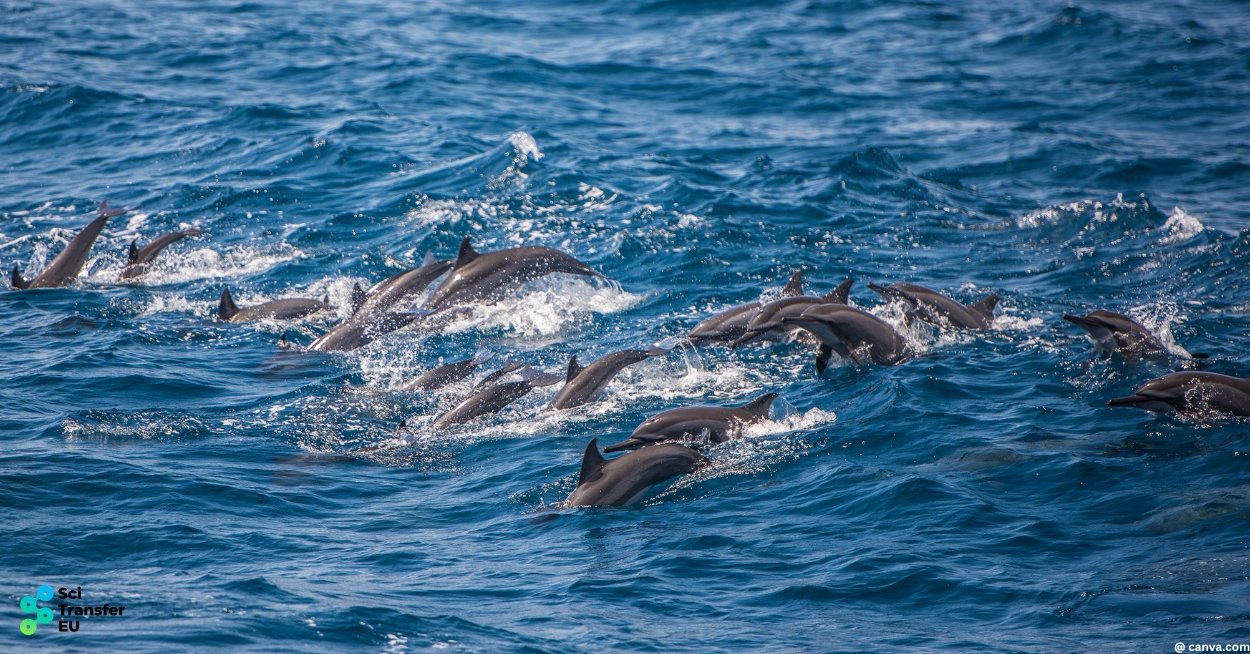
By linking natural capital—marine ecosystems themselves—with the socio-economic value they generate, the project offers a more holistic perspective on sustainability. This approach supports Member States in balancing environmental protection with societal and economic needs, ultimately strengthening ocean governance across Europe.
Communicating Science Beyond Academia
In addition to its scientific work, MARBEFES places strong emphasis on communication and outreach.
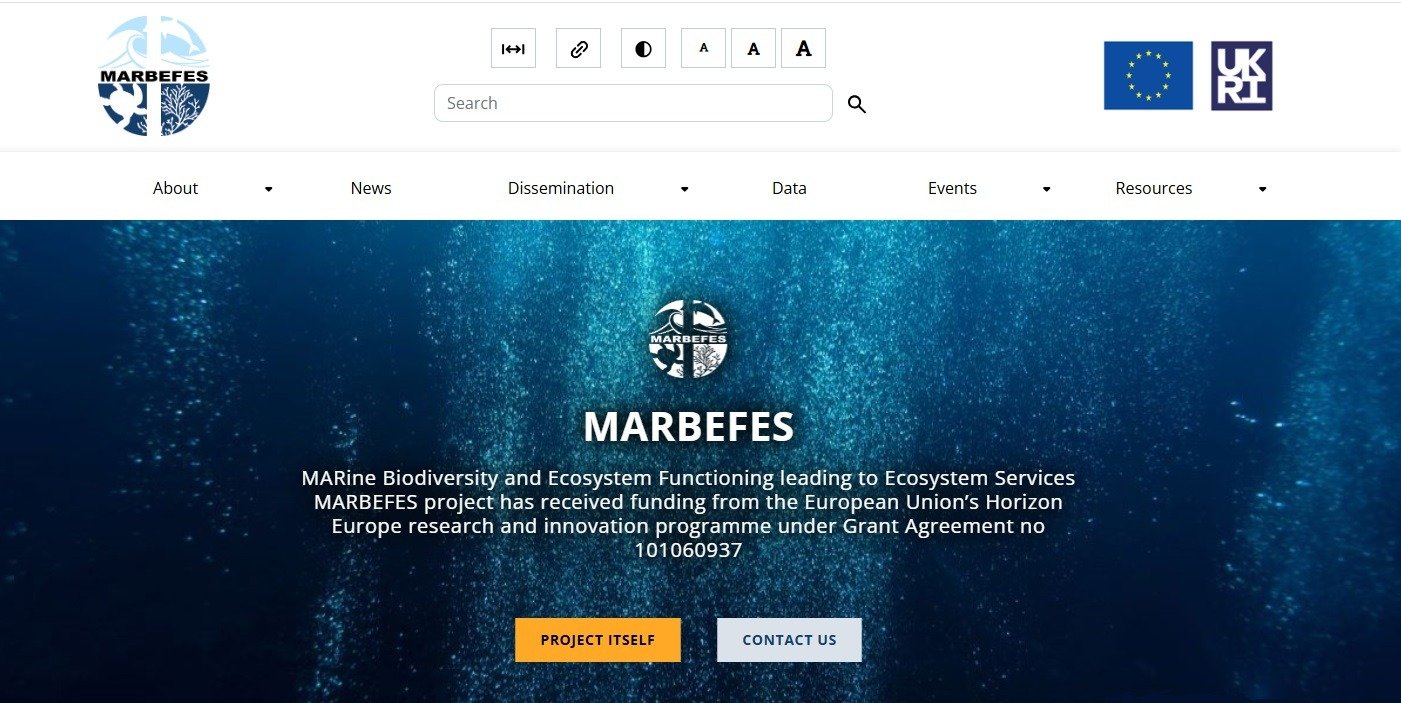
Through its official website and social media channels—including Facebook, X (formerly Twitter), Instagram and Bluesky—the project shares insights, results and updates with a broad audience. These platforms provide accessible content, including visual and multimedia materials, that illustrate the project’s activities and findings.
By opening up the research process and making its outputs more accessible, MARBEFES contributes to raising awareness of marine biodiversity and its importance to everyday life. Such efforts are essential for building societal support for marine conservation and for demonstrating the tangible benefits that healthy ecosystems provide.
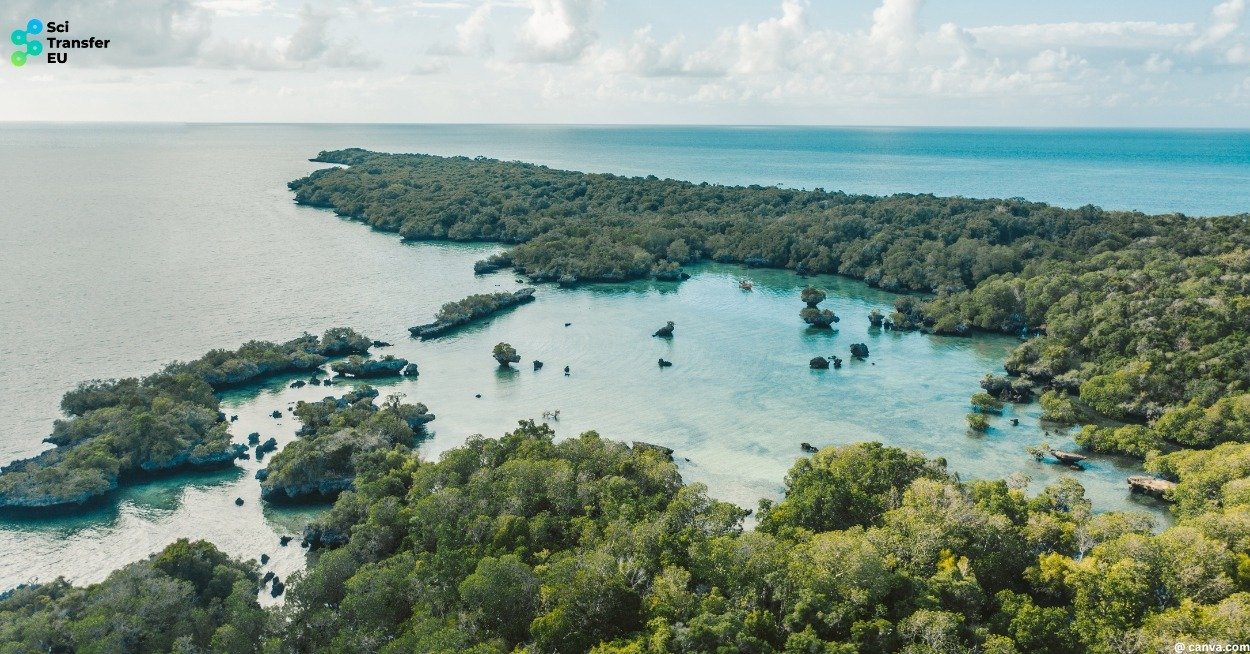
A New Perspective on Ocean Value
MARBEFES ultimately seeks to transform how marine ecosystems are perceived.
By making their ecological and economic value visible and measurable, the project challenges the notion that environmental protection represents a cost. Instead, it positions biodiversity conservation as a strategic investment in long-term prosperity and resilience.
Through its integrated methodology—combining scientific excellence, economic valuation and stakeholder engagement—MARBEFES sets a benchmark for how marine research can effectively inform policy. It offers a comprehensive framework that moves beyond disciplinary boundaries and supports more informed, sustainable decision-making.
As Europe faces increasing environmental pressures, from climate change to biodiversity loss, initiatives like MARBEFES are not only valuable—they are essential. By turning the invisible wealth of the seas into actionable knowledge, the project strengthens the connection between science, policy and society, and supports the sustainable management of marine ecosystems for future generations.
Autor: Radoslav Todorov
Images: canva., scitransfer.eu, www.marbefes.eu
Sources: