
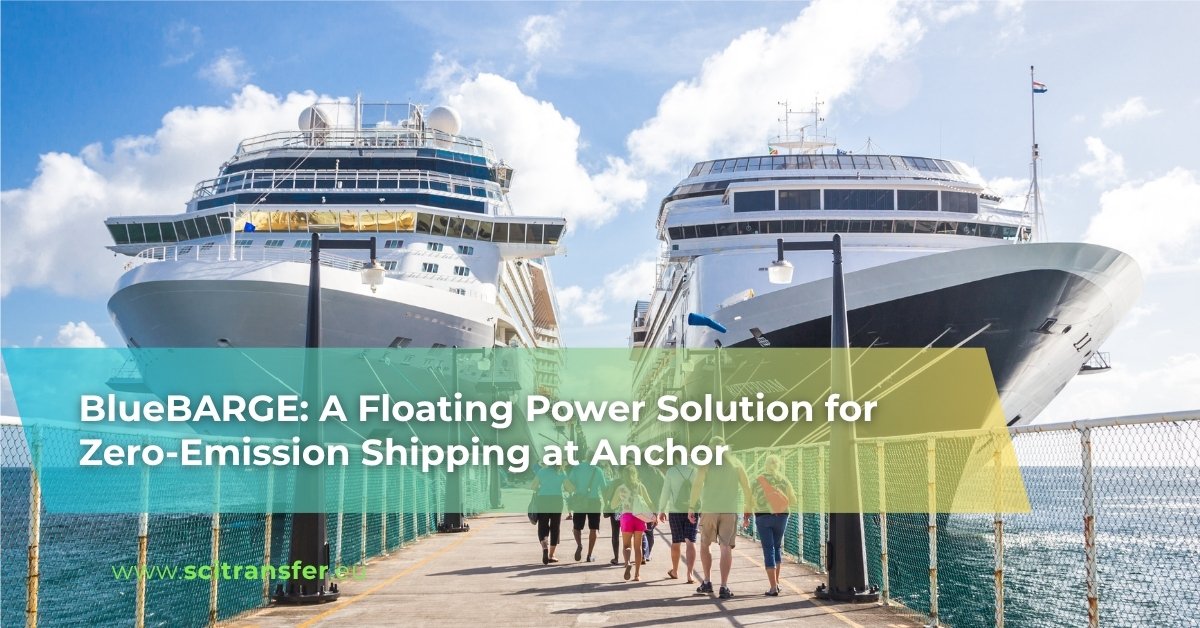
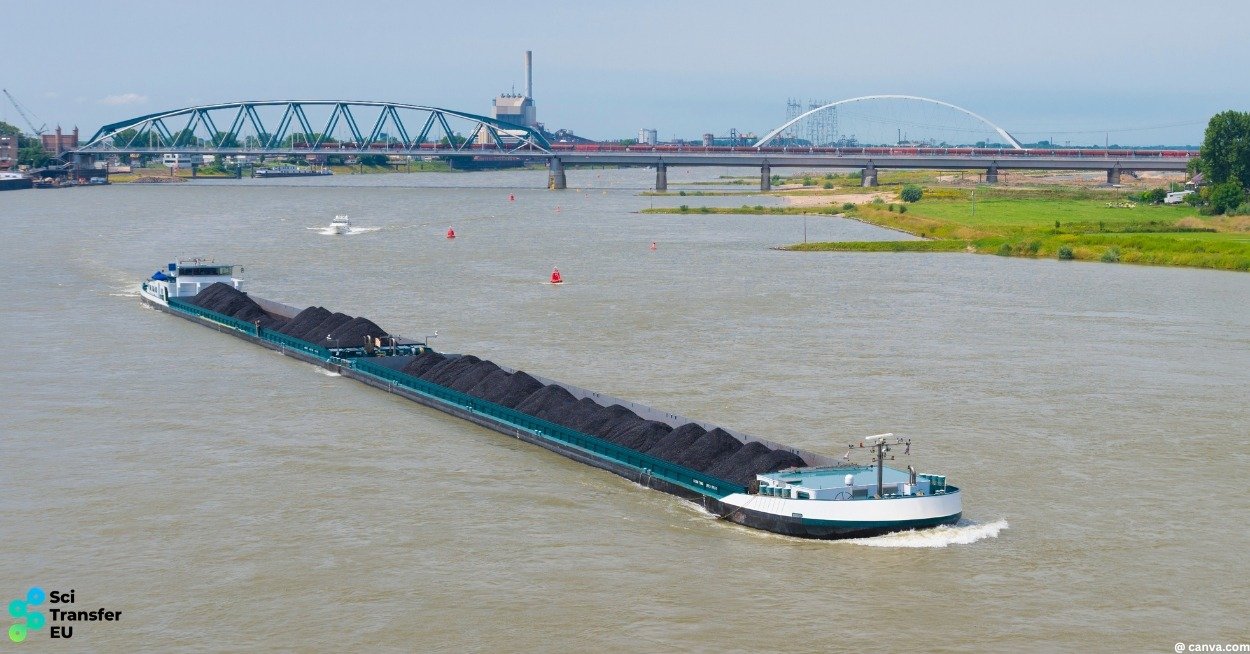
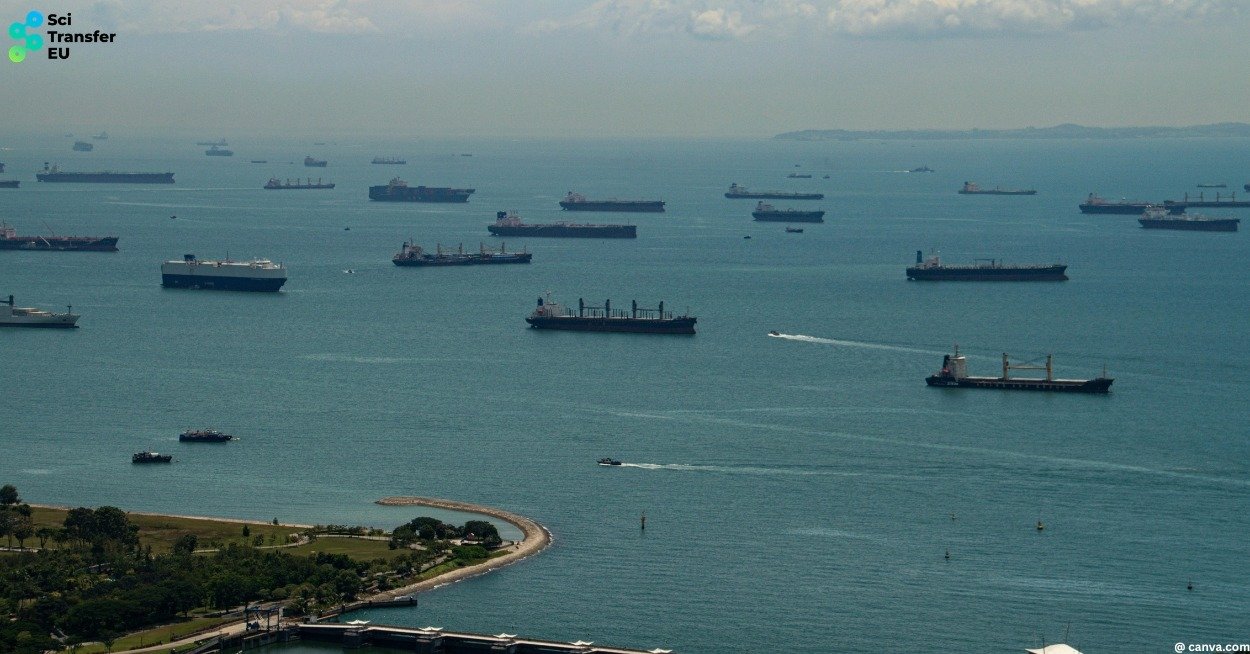
At first glance, the challenge is easy to overlook: ships lying at anchor or berthed at quays, seemingly inactive. Yet even when stationary, vessels continue to burn diesel fuel to power onboard systems—generating emissions that affect both local air quality and the global climate.
The EU-funded BlueBARGE project addresses this hidden source of pollution with a practical and scalable solution: a floating, modular power station that delivers clean energy directly to ships.
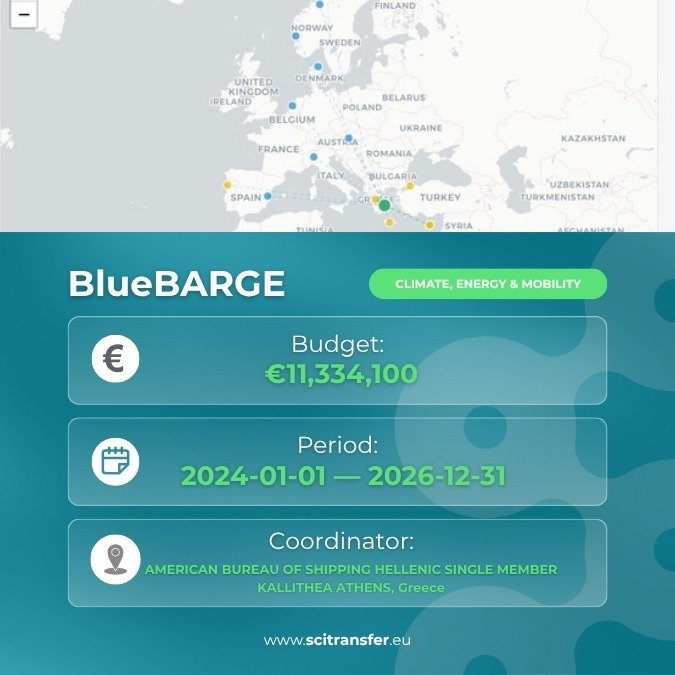
With approximately €8.5 million in funding under the Horizon Europe programme, BlueBARGE operates at the intersection of technological innovation and urgent environmental need. Its objective is clear: to support the maritime sector’s transition toward decarbonisation while delivering tangible benefits to ports, communities, and industry stakeholders.
A Floating Solution to a Global Maritime Challenge
Shipping currently accounts for around 3% of global greenhouse gas emissions, a figure expected to rise alongside international trade. In response, the International Maritime Organization (IMO) has set a target to reduce emissions by 50% by 2050 (compared to 2008 levels).
Meeting this target requires more than cleaner fuels and efficient vessels. It also demands systemic changes in how ships operate when not at sea.
BlueBARGE directly addresses this gap. The project is developing a floating “power barge” capable of supplying renewable electricity to ships while they are moored or anchored. By connecting to this external power source, vessels can switch off their diesel generators—eliminating emissions during idle periods.
While the concept is straightforward, its implementation involves complex engineering across energy generation, storage, and distribution within dynamic port environments.
Modular Technology Designed for Real-World Deployment
At the core of BlueBARGE is a modular, containerised energy system designed for flexibility and scalability.
The system primarily relies on:
- Battery modules for efficient, mature energy storage
- Hydrogen-based solutions, including fuel cells or generators, to extend capacity and adaptability
This modular architecture enables the system to be configured according to operational requirements and evolving technological developments—supporting its pathway toward commercial deployment by 2030.
Beyond energy supply, the project addresses key operational challenges:
- Integration with shipboard systems, port infrastructure, and local energy grids
- Safety in complex maritime environments
- Compliance with international regulatory frameworks
Together, these elements form a fully integrated “power bunkering” solution designed for real-world application.
Cleaner Air and Healthier Port Communities
The environmental and societal benefits of BlueBARGE are immediate and measurable.
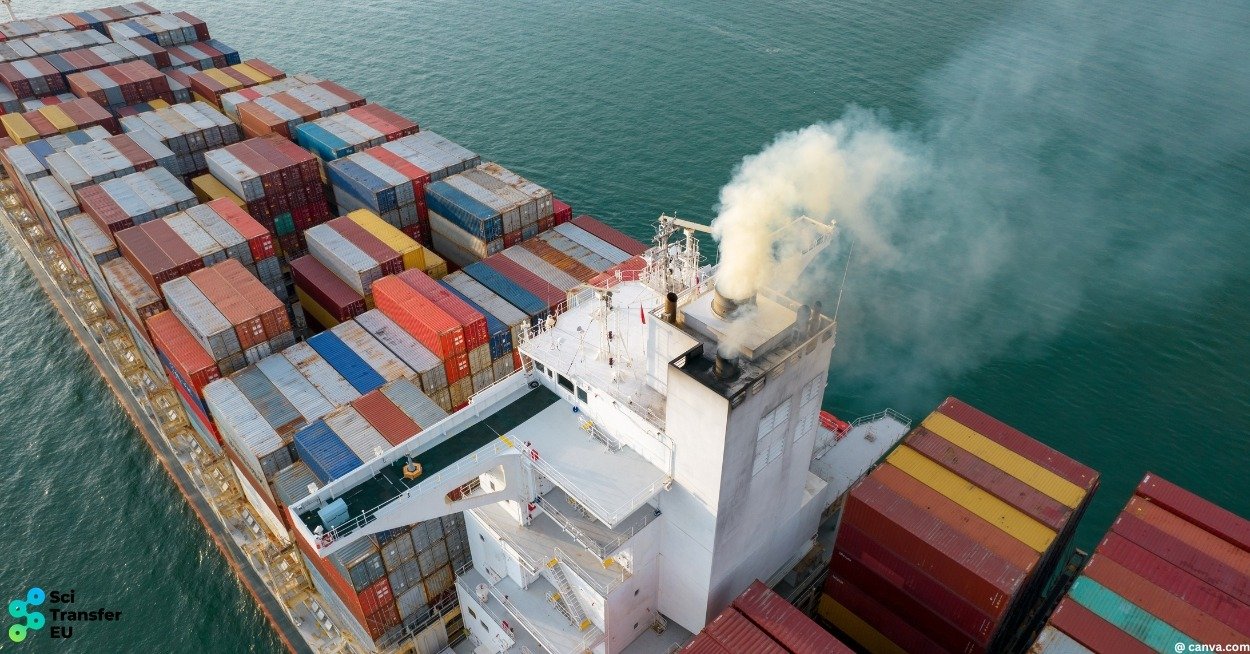
Ports are often located near densely populated urban areas, where emissions from ships contribute significantly to air pollution. By replacing onboard diesel generators, BlueBARGE reduces:
- Nitrogen oxides (NOx)
- Sulphur oxides (SOx)
- Particulate matter (PM)
The result is improved air quality, reduced health risks, and a better quality of life for port communities. At the same time, the project addresses a frequently overlooked source of maritime emissions—strengthening its contribution to broader climate goals.
Advancing Maritime Energy Systems and Research
BlueBARGE also contributes to innovation in maritime electrification and hybrid energy systems. By combining expertise in energy storage, hydrogen technologies, and marine engineering, the project demonstrates how renewable energy can be effectively deployed in port and offshore environments.
By relocating energy generation to a floating platform, the system overcomes many of the constraints associated with fixed, onshore infrastructure.
The project actively shares its findings with the wider community. Research outputs are available via its Zenodo collection, and additional technical documentation can be accessed through the project’s official repository.
A Collaborative European Effort
As with many successful EU initiatives, collaboration is central to BlueBARGE. The project brings together partners from across the maritime, energy, and technology sectors.
Notably, the American Bureau of Shipping (ABS) contributes expertise in safety standards and regulatory compliance—ensuring alignment with industry requirements and facilitating future deployment.
The project also maintains an active communication strategy, sharing updates, insights, and visual materials through its website and professional channels such as LinkedIn. This outreach supports transparency and helps bridge the gap between technical innovation and stakeholder engagement.
Economic and Strategic Impact
BlueBARGE represents more than an environmental solution—it is a strategic investment in Europe’s clean energy transition.
Its potential impact includes:
- New business models in offshore and port-based energy supply
- Job creation across engineering, manufacturing, and operations
- Strengthening Europe’s leadership in sustainable maritime technologies
Its modular and scalable design further enhances its potential for adoption across diverse ports—both within Europe and globally.
Toward 2030: From Innovation to Market
The project aims to bring its solution to market by 2030, marking a significant milestone in maritime decarbonisation.
More broadly, BlueBARGE reflects a shift in perspective: emissions at anchor are no longer seen as unavoidable, but as a solvable engineering challenge.
A Quiet Transformation in Maritime Energy
BlueBARGE exemplifies a form of innovation that is practical, system-oriented, and deeply embedded in existing infrastructure—yet capable of delivering far-reaching impact.
By transforming how ships consume energy while stationary, it addresses a critical gap in the maritime decarbonisation landscape. The result is a solution that benefits industry, advances research, and improves environmental outcomes.
In doing so, BlueBARGE demonstrates how targeted innovation can drive meaningful change—quietly but decisively—at the edge of Europe’s ports.
Autor: Radoslav Todorov
Images: canva.com, sciencetransfer.eu, bluebarge.eu
Sources:
- https://bluebarge.eu/
- linkedin.com/posts/bluebarge-project_bluebarge-powerbarge-vessels-activity-7416407435181142016-mgh3
- https://bluebarge.eu/bluebarge-zenodo-research-launch/
- https://bluebarge.eu/documents/
- https://www.offshore-energy.biz/abs-comes-on-board-bluebarge-project/
- https://map.scitransfer.eu/project/bluebarge-101138694