
Rethinking Cancer Detection and Treatment
Despite decades of progress, cancer detection and treatment remain among the most complex challenges in modern medicine. Certain forms—most notably pancreatic cancer—continue to evade early diagnosis and effective intervention, contributing to persistently low survival rates.
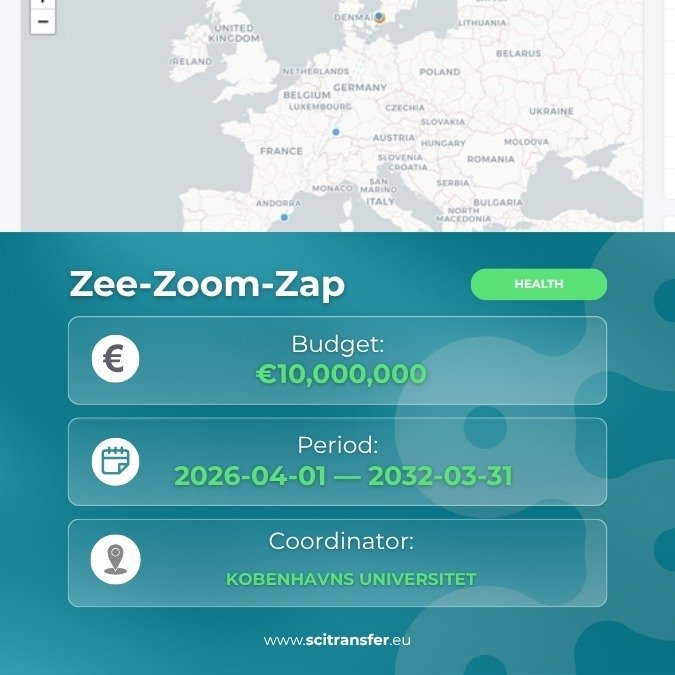
Against this backdrop, the European research project Zee-Zoom-Zap represents an ambitious effort to transform how cancer is detected, understood, and treated. Supported by a €10 million ERC Synergy Grant, the project brings together leading experts across disciplines to develop a unified, non-invasive one-stop shop for cancer theranostics.
A Fully Integrated Approach
At its core, Zee-Zoom-Zap introduces a fundamentally new paradigm: integrating detection, diagnosis, and therapy into a single, seamless process.
This vision is reflected in the project’s name:
- Zee – early detection through natural lumens in the body (such as ducts and vessels)
- Zoom – high-resolution, non-invasive optical biopsy techniques
- Zap – targeted, local therapy delivered directly to cancer cells
Together, these components aim to overcome a key limitation in oncology: achieving precise, high-resolution imaging deep within tissue while simultaneously enabling immediate intervention.
Enabling Technologies
The project combines several cutting-edge technologies into a cohesive system.
At the hardware level, Zee-Zoom-Zap leverages advanced 3D-printed micro-optical catheters—miniaturised devices capable of navigating the body’s internal pathways and accessing hard-to-reach areas.
These are paired with cancer-specific phototheranostic probes, which both detect and respond to malignant cells. Complementary optical imaging methods provide unprecedented sensitivity and imaging depth, while specialised lasers operating at carefully selected wavelengths enable both diagnostics and therapy.
Crucially, the system is supported by physics-enhanced deep learning models, which assist in detection, clinical decision-making, and real-time treatment guidance.
Moving Beyond Fragmented Care
Conventional cancer pathways are often fragmented, involving invasive biopsies, separate imaging procedures, and multi-stage treatment plans.
Zee-Zoom-Zap seeks to streamline this process. By enabling non-invasive optical biopsies combined with immediate, localised treatment, the approach has the potential to:
- Reduce patient risk
- Shorten diagnostic timelines
- Improve clinical outcomes
A Focus on Pancreatic Cancer
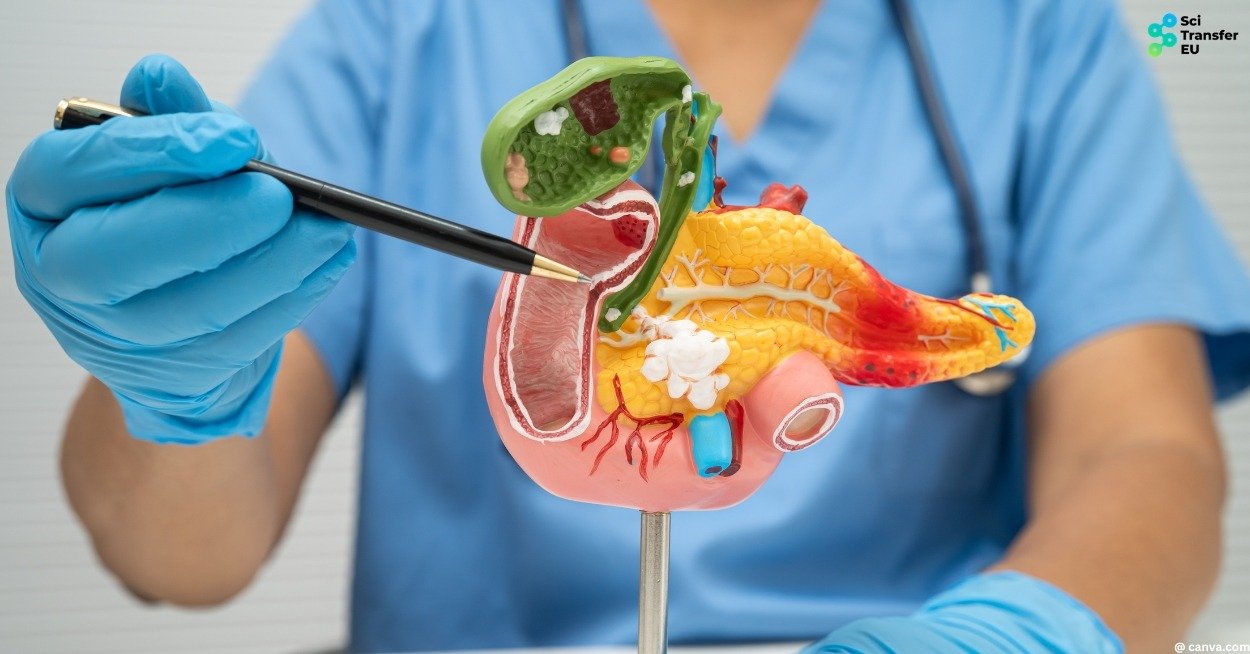
The project’s initial focus on pancreatic cancer is both strategic and urgent. As one of the deadliest cancers, it is rarely detected at an early stage, and survival rates have seen limited improvement over decades.
By targeting earlier detection and immediate intervention, Zee-Zoom-Zap aims to significantly improve patient prognosis. Importantly, the platform is designed to be adaptable to other cancers accessible via natural lumens, extending its long-term impact.
Interdisciplinary Collaboration at the Core
Zee-Zoom-Zap is driven by a highly interdisciplinary consortium structured around four core research pillars:
- Phototheranostic probe development
- Micro-optical device engineering
- Advanced imaging technologies
- Artificial intelligence
This integration of physics, engineering, computer science, and medicine is central to the project’s innovation and reflects the collaborative model promoted by European funding programmes.
Societal and Economic Impact
The potential implications are substantial. Earlier detection and minimally invasive treatment could significantly increase survival rates, particularly for aggressive cancers.
From a healthcare systems perspective, reducing reliance on complex surgery and prolonged hospitalisation could lower costs and ease system pressures. At the same time, the project is expected to stimulate new research directions and technological applications, amplifying its broader impact.
Towards Clinical Translation
Zee-Zoom-Zap is designed with real-world application in mind. Its long-term vision is to integrate these technologies into a combined population- and imaging-based screening workflow, enabling earlier detection and immediate treatment within routine clinical practice.
This focus on clinical translation underscores the project’s commitment to delivering tangible societal benefits.
A Model for Future Innovation
Beyond its scientific goals, Zee-Zoom-Zap reflects a broader shift in addressing complex health challenges. By combining interdisciplinarity with advanced technologies such as 3D printing and artificial intelligence, it demonstrates how innovation can emerge at the intersection of diverse fields.
It also highlights the importance of sustained investment in high-risk, high-reward research—an approach central to the ERC Synergy Grant programme.
Looking Ahead
While still in development, Zee-Zoom-Zap already stands as a compelling example of what coordinated European research can achieve. Its ambition to make cancer care more precise, less invasive, and more effective positions it at the forefront of biomedical innovation.
As Europe continues to invest in transformative science, initiatives like Zee-Zoom-Zap are not only advancing research—they are reshaping the future of healthcare.

Autor: Radoslav Todorov
Images: canva.com, sciencetransfer.eu, upf.edu
Sources:
- https://orbit.dtu.dk/en/projects/zee-zoom-zap-a-new-paradigm-for-cancer-theranostics/
- https://www.upf.edu/en/web/enginyeria/home/-/asset_publisher/nT5ucm2DcHyd/content/european-project-erc-synergy-zee-zoom-zap-pancreatic-cancer-miguel-angel-gonzalez-ballester/229891609/maximized
- https://map.scitransfer.eu/project/zee-zoom-zap-101224844