
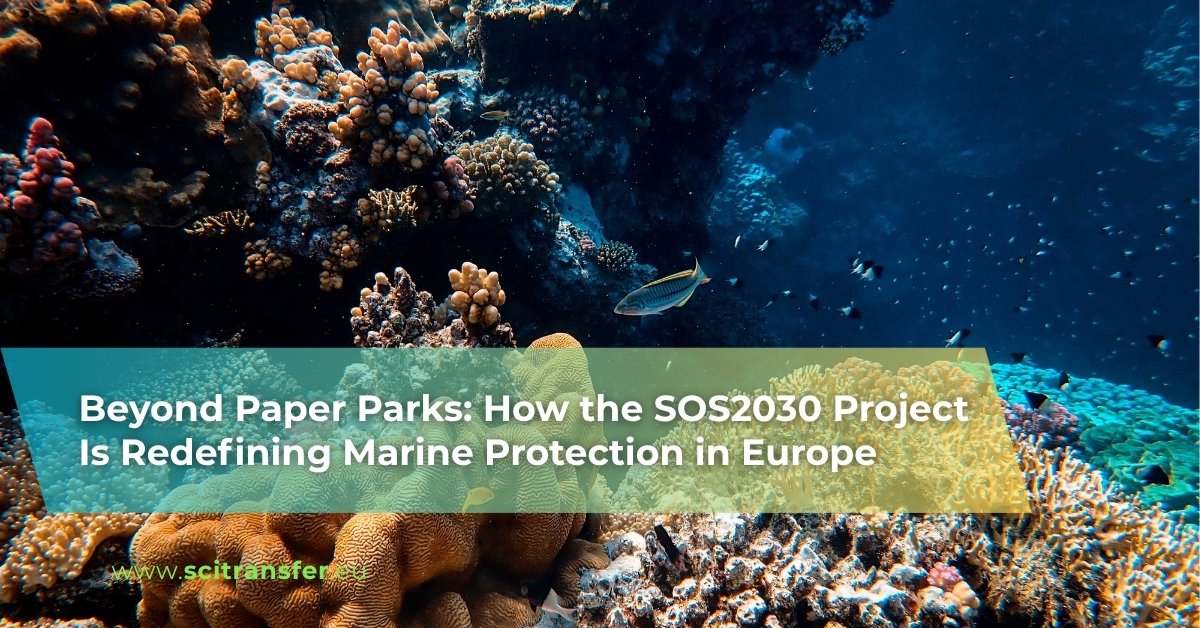
Across Europe’s seas, a persistent contradiction remains. On paper, vast marine areas are designated as protected. In practice, many of these zones remain vulnerable, under-managed, and weakly enforced. This gap between policy and implementation has given rise to the term “paper parks.”
The EU-funded SOS2030 project addresses this challenge directly, combining scientific analysis with practical tools to ensure that marine protection delivers real ecological and social outcomes.
Project Overview
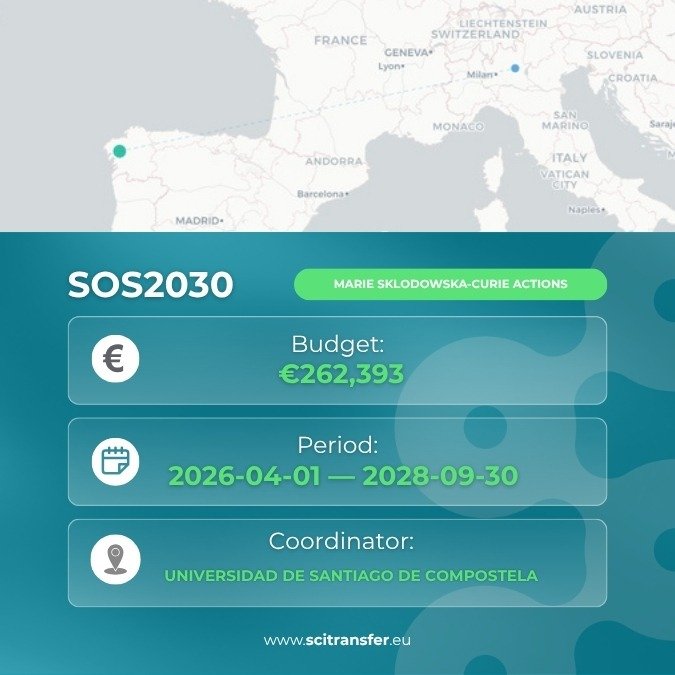
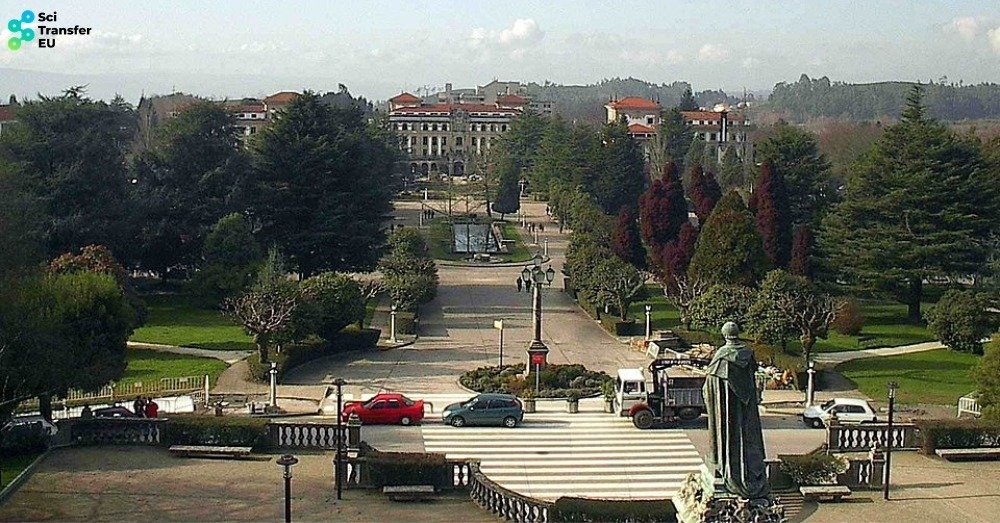
Funded under the Marie Skłodowska-Curie Actions (MSCA) programme, SOS2030 runs from April 2026 to September 2028, with a European Commission contribution of €262,393. The project is coordinated by the Universidade de Santiago de Compostela (Spain) in partnership with WWF Italy.
While modest in scale, SOS2030 is sharply focused: it seeks to determine whether Europe’s Marine Protected Areas (MPAs) are truly effective—and, crucially, how they can be improved.
The Challenge: Protection Without Impact
Marine Protected Areas are a cornerstone of global conservation strategies. Under the EU Biodiversity Strategy for 2030, the European Union aims to protect 30% of its seas, with a portion under strict protection. Yet designation alone does not guarantee effectiveness.
Many MPAs still operate without robust management plans, sufficient enforcement, or meaningful stakeholder engagement. As a result, ecosystems may continue to degrade despite their protected status.
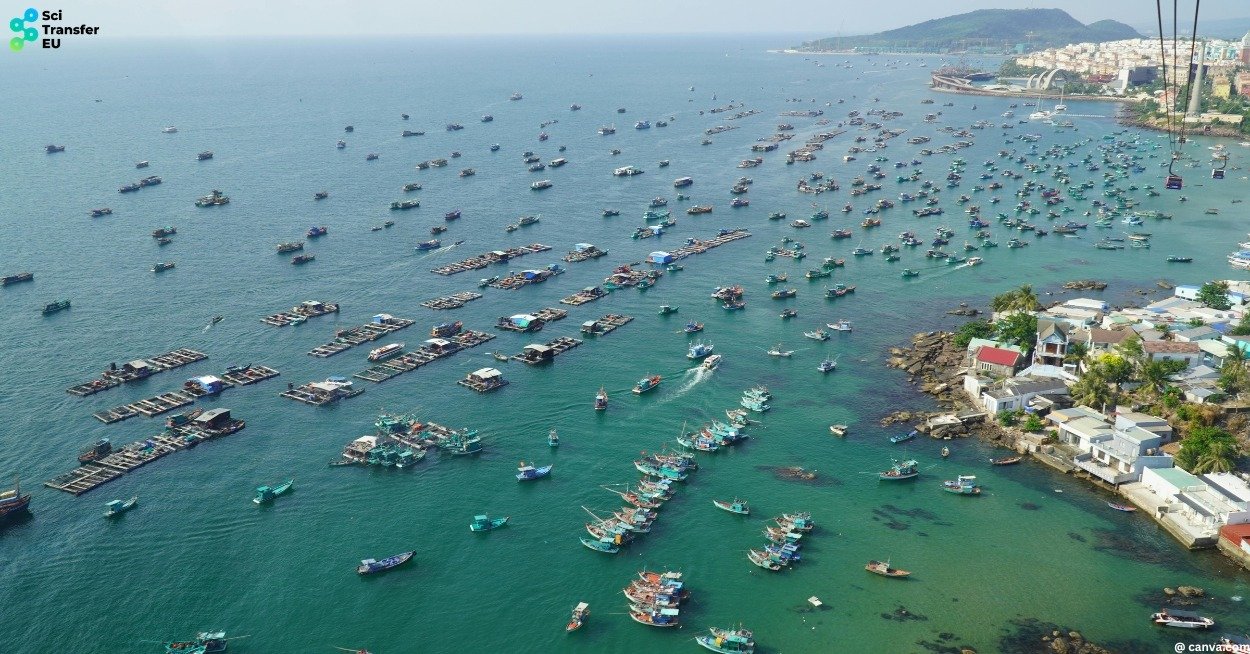
SOS2030 examines how many of these areas function as “paper parks”—legally protected spaces that fail to deliver ecological results. This is not only an environmental issue but also a socio-economic one. Nearly 500 million people worldwide depend on small-scale fisheries, many of them operating within or near these zones.
A Structured and Integrated Approach
What sets SOS2030 apart is its coherent and multi-dimensional methodology.
The project begins with a systematic assessment of MPAs across EU waters, focusing specifically on sites that have existed for at least a decade and already have formal management frameworks in place. This ensures that the evaluation is grounded in mature cases where outcomes can be meaningfully assessed.
Building on this, SOS2030 develops a standardised assessment tool designed to evaluate effectiveness across ecological, governance, socio-economic, and institutional dimensions. By bringing these perspectives together, the project moves beyond fragmented approaches and offers a more complete understanding of what drives success—or failure—in marine protection.
Importantly, SOS2030 also extends beyond technical analysis. Through a multilingual documentary and targeted communication activities, it captures the perspectives of coastal communities, including small-scale fishers and younger generations. This reflects a broader understanding that conservation challenges are not purely scientific, but deeply social and political.
Engaging Coastal Communities
A central pillar of SOS2030 is its participatory approach. Too often, conservation policies have positioned local communities—especially fishers—as obstacles rather than partners.
SOS2030 takes a different stance by actively involving these stakeholders through dialogue and storytelling. Their knowledge and lived experience are treated as essential inputs into policy development, not as anecdotal contributions.
This approach strengthens both the legitimacy and the effectiveness of conservation measures. Policies that reflect local realities are more likely to be accepted, implemented, and sustained over time.
Delivering Practical Value
SOS2030 is designed to produce outputs that are immediately usable by policymakers, researchers, and practitioners. These include a comprehensive database of assessed MPAs across Europe, a reusable tool for identifying and evaluating “paper parks,” stakeholder roundtables, and a multilingual documentary that amplifies community perspectives.
Together, these deliverables represent one of the first coordinated efforts to systematically identify recurring weaknesses in MPA implementation and to support more informed, evidence-based decision-making.
Scientific and Policy Relevance
From a scientific perspective, SOS2030 addresses a notable gap. While marine ecosystems have been extensively studied, fewer initiatives have examined governance and implementation failures across multiple protected areas in a structured way.
By integrating ecological data with social and institutional analysis, the project contributes to a more nuanced understanding of conservation effectiveness.
For policymakers, its relevance is immediate. Achieving the EU’s 30×30 target depends not only on expanding protected areas, but on ensuring their quality and real-world impact. SOS2030 helps shift the focus from nominal protection to measurable outcomes.
A Focused Project with Strategic Impact
Despite its relatively limited budget, SOS2030 demonstrates a clear strategic focus. Rather than addressing marine conservation broadly, it concentrates on a critical leverage point: the effectiveness of existing MPAs.
The collaboration between academic research and applied conservation practice further enhances its ability to bridge the gap between knowledge and implementation.
Looking Towards 2030
As the 2030 biodiversity targets approach, improving the effectiveness of existing Marine Protected Areas is as important as expanding their coverage. Without this, there is a risk of creating only the illusion of progress.
SOS2030 contributes by providing tools, evidence, and narratives that enable more effective action across the European marine governance landscape. Its ambition is not to offer a single solution, but to support better, more informed decision-making.
Ultimately, the project reinforces a simple but essential principle: protection must translate into real impact.
Autor: Radoslav Todorov
Images: canva.com, wikipedia.org, scitransfer.eu
Sources: